Commercial Roofing in Bloomington, IN
WHAT WE DO
Commercial roofs fail on a different timetable than residential ones, and the consequences land on inventory, equipment, and payroll rather than a bedroom ceiling. Flat and low-slope assemblies hold water instead of shedding it, so seams, drains, curbs, and penetrations become the whole story. We inspect, repair, coat, and replace commercial systems for property managers, business owners, churches, and light industrial buildings around Bloomington, IN. Work is scheduled around your operations, staged to keep entrances clear, and documented for whoever signs off on the invoice. Every inspection ends with photographs and a written condition report rather than a verbal summary.
WHERE WE WORK
Storefronts, Warehouses, and Everything With a Flat Deck
Commercial buildings in this region carry a mix of roof types nobody planned together. Downtown Bloomington storefronts often have modified bitumen over structures older than anyone working in them. Warehouses toward Terre Haute run long single-ply expanses where one bad seam floods an aisle. Churches and schools in Bedford, Columbus, and Martinsville frequently combine steep sections with flat additions. We work across all of it, matching the repair or replacement approach to what is actually up there rather than what a catalog suggests.
Commercial Roofing Services We Provide
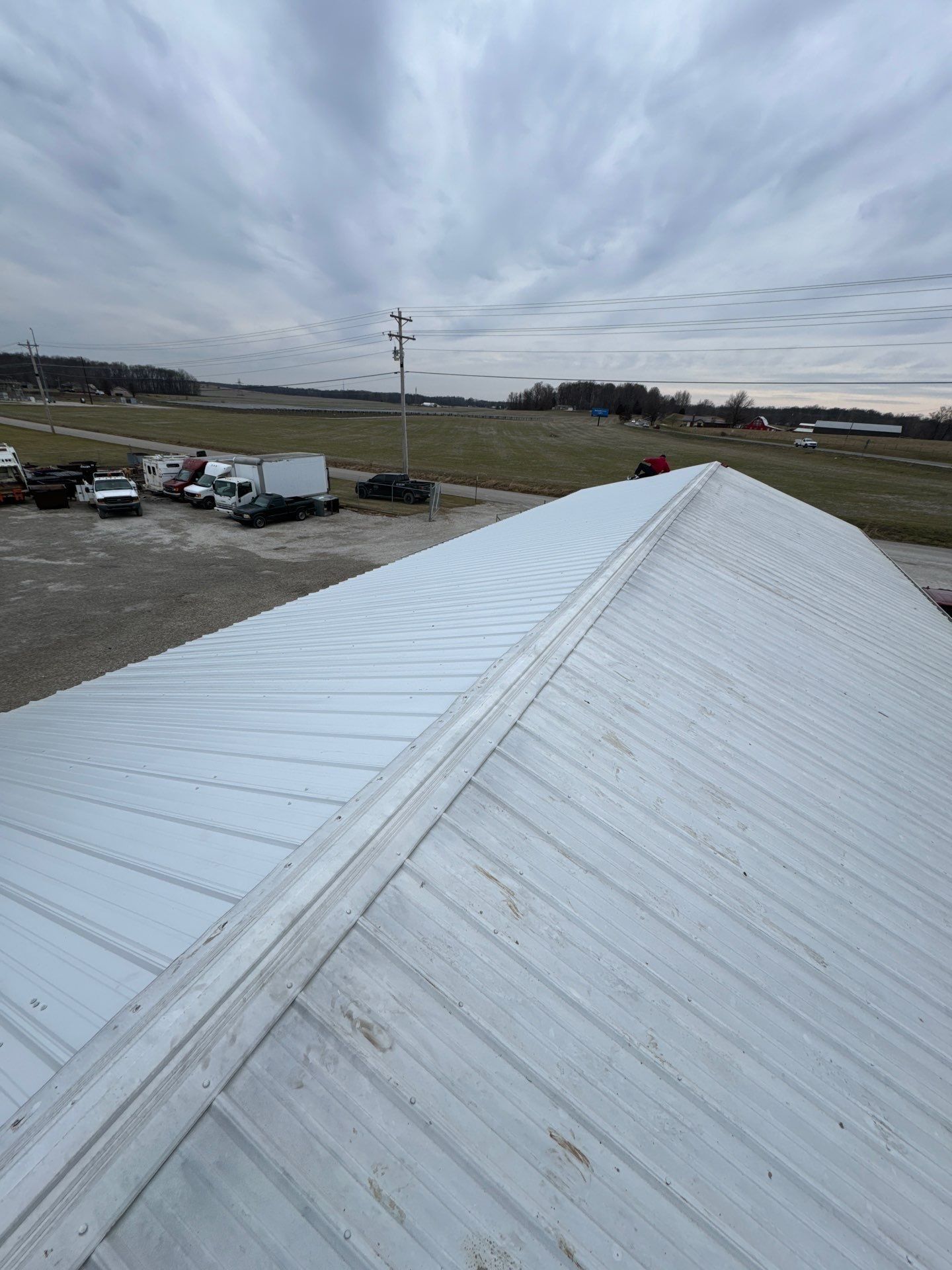
Commercial work splits into keeping a serviceable roof alive and replacing one that has run out of options. Both matter, and both start with someone actually walking the deck. Here is what we deliver.
01
Flat and Low-Slope Roof Replacement
When a membrane has run its course, we tear off, address wet insulation, and install a new system sized to the building's drainage and traffic. Sections get completed in stages so the interior stays dry throughout the project.
02
Commercial Roof Repairs
Split seams, punctured membrane, failed pitch pockets, and blistering all get addressed with materials compatible with the existing system. Mixing incompatible products is how a small commercial repair turns into a far larger one before the season is out.
03
Roof Coatings and Restoration
A sound deck under a tired surface is a candidate for restoration rather than replacement. Reflective coatings seal seams, extend service life, and lower rooftop temperatures, which buys time without the disruption of a full tear-off overhead.
04
Drain and Scupper Maintenance
Flat roofs only work when water can leave. Clogged drains and blocked scuppers turn rainfall into standing weight the structure was never designed to carry, so we clear them, reseal the collars, and check flow on every visit.
05
Rooftop Equipment Curb Sealing
HVAC units, exhaust fans, and conduit penetrations create dozens of seams on a typical commercial deck. Each curb gets inspected, resealed, and flashed properly, because equipment mounts are usually leaking long before the field membrane itself shows any trouble.
06
Scheduled Maintenance Programs
Two inspections a year with documented findings keep small problems from becoming capital expenditures. Facilities managers get photographs, a condition summary, and a prioritized list, which makes budgeting for the roof considerably less speculative from one year to the next.
TESTIMONIALS
What Our Customers Say
Benefits of Proactive Commercial Roof Care
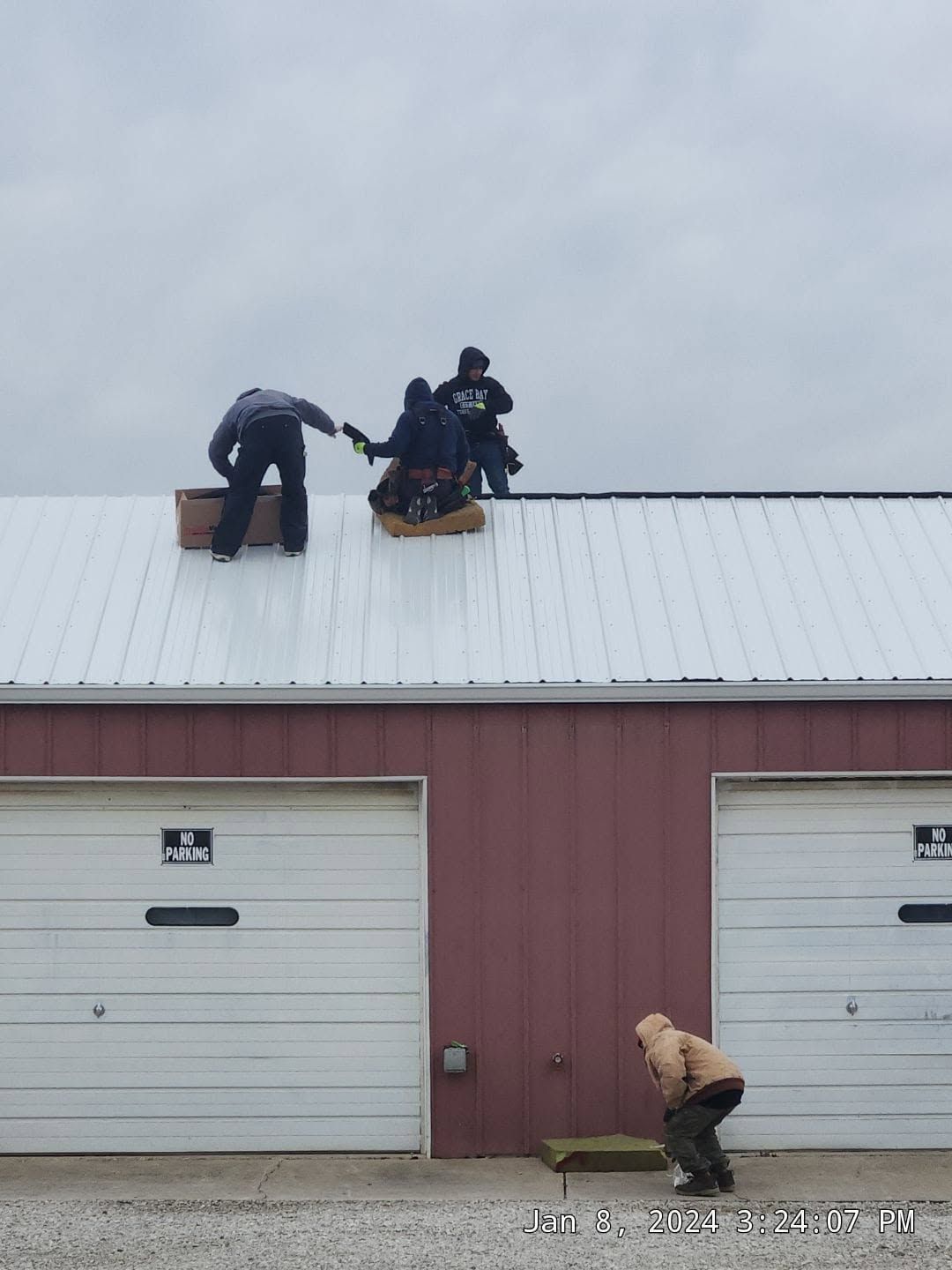
Reactive roofing costs more than planned roofing, every time. Building owners who stay ahead of the deck above them see the difference in their budgets, their operations, and their insurance conversations. Here is where it shows up.
01
Uninterrupted Business Operations
Planned work happens on evenings, weekends, or in staged sections, while emergency work happens whenever the leak decides. Staying ahead of the roof means customers, staff, and deliveries keep moving through the building exactly as they always have.
02
Protected Inventory and Equipment
One overnight failure above a stockroom can destroy more value than several years of maintenance. Keeping the membrane sound protects merchandise, servers, machinery, and records that insurance rarely replaces at anything close to what they were actually worth.
03
Predictable Maintenance Budgets
A documented condition report turns roofing from an unpredictable emergency into a line you can plan around. Knowing what needs attention this year versus in 3 years lets ownership schedule the spending rather than absorb surprises in the middle of a quarter.
04
Extended Roof Service Life
Membranes reach their rated life only when seams, drains, and flashings are maintained along the way. Consistent attention routinely adds years to a commercial roof, deferring a major capital project well past the date anyone had originally expected.
05
Stronger Insurance Position
Insurers respond differently to a building with maintenance records than to one without. Documented inspections establish that damage came from a storm rather than neglect, which is frequently the pivot point when a commercial claim is finally decided.
06
Lower Cooling Loads
Reflective surfaces and sound insulation cut the heat load a flat roof passes into the space below. Cooling equipment cycles less, runs shorter, and lasts longer, which shows up on utility statements right through every long Indiana summer.
WHO WE ARE
A Contractor Who Understands Downtime Costs Money
Commercial clients care about two things beyond the roof itself: schedule and documentation. Indiana Roof Source LLC works around business hours, stages materials so parking and loading stay usable, and provides the written records facilities managers and insurers both need. Woman-owned, family-operated, insured, and Atlas Pro Gold certified, we bring 30+ years of roofing judgment to buildings that cannot afford guesswork. Request a commercial assessment through our contact page and we will work around your calendar, not ours.
Frequently Asked Questions
How long does a commercial flat roof typically last?
Service life varies by system and maintenance. Single-ply membranes commonly run 20 to 30 years, modified bitumen closer to 20, and coatings add 10 or more when applied to a sound deck. Drainage quality affects all of it.
Can you work on our roof without shutting down the business?
In nearly every case, yes. We stage work in sections, keep entrances and loading areas clear, and schedule noisy phases outside operating hours. Indiana Roof Source LLC plans commercial projects around business calendars throughout Bloomington, IN and beyond.
What is the difference between TPO, EPDM, and modified bitumen?
TPO is a heat-welded thermoplastic sheet, EPDM is a rubber membrane usually seamed with adhesive, and modified bitumen is an asphalt-based system applied in rolled layers. Each suits different decks, slopes, and rooftop traffic patterns better than the others.
Why is water standing on our flat roof after it rains?
Ponding usually means drains are blocked, the deck has deflected, or insulation has compressed under foot traffic. Water sitting longer than 48 hours accelerates membrane failure, so the cause is worth identifying rather than quietly tolerating year after year.
How do we know whether to coat or replace a commercial roof?
Core samples and a moisture scan settle it. If insulation beneath the membrane is dry and seams are repairable, a coating makes sense. Saturated insulation means replacement, because coating over wet material simply seals the problem inside permanently.
Do you handle roofs with rooftop HVAC and solar equipment?
Yes. Equipment curbs, conduit runs, and solar mounts all create penetrations that need proper flashing and periodic resealing. Indiana Roof Source LLC works around rooftop equipment regularly on commercial buildings in Bloomington, IN and neighboring towns across the region.
How often should a commercial roof be inspected?
Two visits a year is the working standard, ideally in spring and fall, and an additional look after any severe hail or wind event. Rooftop equipment work by other trades also warrants a follow-up check before they leave.
What documentation do we get after commercial roof work?
You receive dated photographs, a written scope of what was performed, material specifications, and warranty documentation. That package keeps facilities records current and gives insurers exactly what they ask for when a claim later arises on the building.
Why Choose Indiana Roof Source LLC
Roofing Expertise You Can Count On
01
Locally Owned and Trusted
We are a family-owned roofing contractor based right here in Bloomington, fully licensed and insured, and BBB-listed. Every roof we install comes from an accountable local business owner, not an anonymous crew passing through town.
02
Manufacturer-Certified Installation
We hold Atlas Pro Gold certification, a credential most roofing crews never earn because it requires manufacturer training and installation standards. That certification lets us back our work with stronger, longer warranty coverage than uncertified installers can offer.
03
Storm Damage and Insurance Support
We specialize in storm damage assessment and insurance claim navigation, guiding homeowners through the entire process from inspection to final settlement. When a storm hits, insurance-driven repair is the heart of what we do, not a side service.
04
Flexible Payment Options
We offer financing on roof replacements and major repairs, so a new roof does not have to wait for the right time or drain a homeowner's savings. Spreading the cost into manageable monthly payments makes it easier to handle storm damage or an aging roof before a small problem becomes an expensive one.
Protect The Building That Holds Your Business Together
Nobody notices a commercial roof until water is dripping onto a sales floor or a server rack, and by then the conversation has already become expensive. The buildings that avoid that moment are not luckier; someone simply walked the deck twice a year and fixed the seam while it was still a seam. Indiana Roof Source LLC does that work for businesses, churches, and property managers across Bloomington, IN and the surrounding counties, scheduling around your hours and documenting everything we touch. Reach us through our contact page for a commercial roof assessment and a written condition report on what is actually up there.